Electric bikes faced their share of skeptics when they first arrived—purists who insisted that leaning on a motor meant you weren’t really cycling. That argument has largely faded. E-bikes are now a common sight, and their practical appeal has won most people over: longer rides, steeper hills that don’t leave you wrecked at the top, and the ability to calibrate your effort to match your fitness goals or how you’re feeling on a given day.
Electric bikes didn’t kill traditional cycling—they expanded it. They added a new dimension of accessibility and range. Could the same evolution happen to stand-up paddleboarding? SUPs have become essential beach gear, offering a serene and active way to explore coastlines, hidden coves, and waterways otherwise out of reach. Is the e-SUP poised to make similar waves?
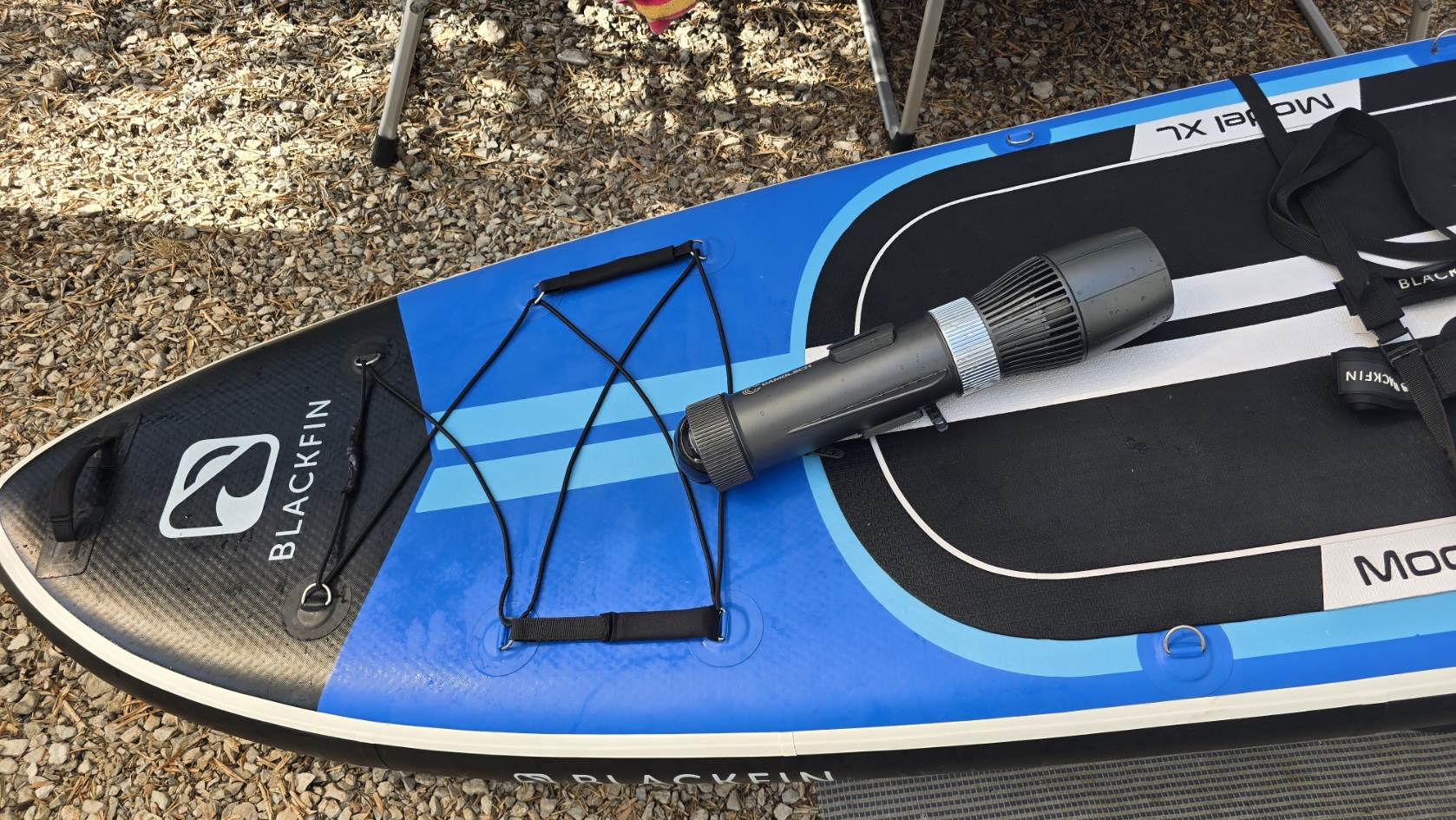
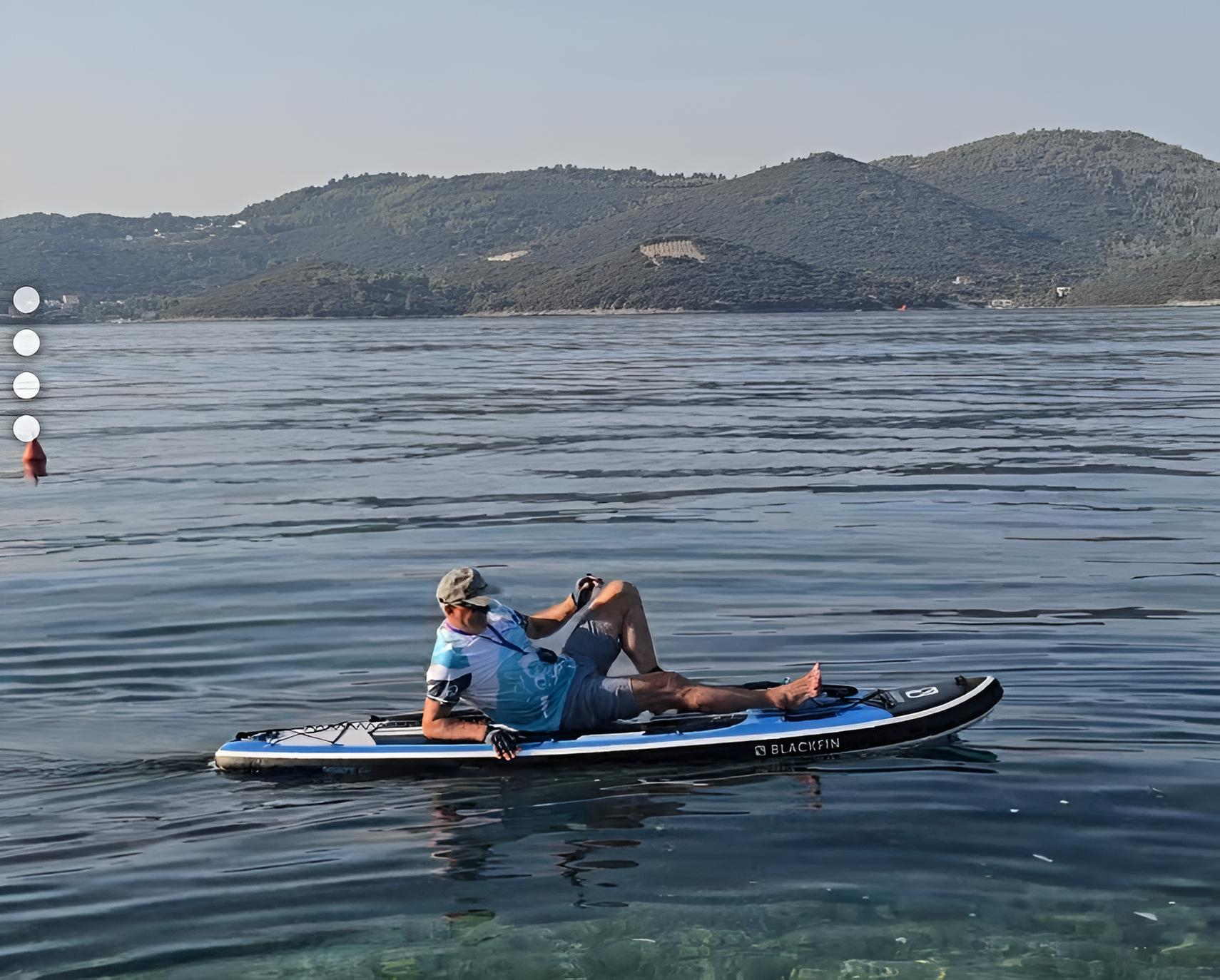
So what exactly is an e-SUP? The concept is straightforward: a specially adapted electric motor with a propeller mounts where your board’s main fin normally sits. Early designs strapped the battery directly onto the board—awkward, and a real liability if you capsized—but newer units house the battery in a sealed compartment beneath the board, submerged in the water. The motor’s job is to assist your paddling, boosting your speed and extending how far you can go in a single session. You can also just sit or lie on the board and let the motor do all the work, though don’t expect to go fast—you’re looking at around 2-4 kmh at best.
Camolech 900W
I can’t say what drew me to this thing—idle curiosity, maybe. But the impulse stuck, so I dug in. The market was surprisingly varied: flimsy-looking kids’ toys starting around €200, all the way up to professional-grade diving scooters priced in the thousands. As with any electric gear meant for water, the details matter. Battery placement and capacity, motor power (which absolutely does scale with user weight, despite claims otherwise), and overall housing integrity—this thing spends its life submerged in saltwater, after all. And then there’s the mounting: whether your board can even accept an aftermarket motor, and how.
So I took the plunge on a relative unknown: the Camolech 900W, a Chinese diving scooter retailing at €629. Reviews were thin on the ground, but on paper its specs—motor power, battery life, overall performance—were trading blows with devices in the €2,000+ range.
What first caught my eye were the specs: a 900W motor in a category where 400-600W is the norm. Then there was its 30-meter depth rating, a feature clearly aimed at divers but one that speaks to a rugged, waterproof build. The real selling point, however, was the housing. It uses no metal parts whatsoever, eliminating any risk of corrosion—a critical advantage for something that lives in saltwater.
The 16Ah battery is built directly into the unit’s body. While some versions let you remove it for charging, the fixed design worked for me. According to the specs, it should run for over an hour at half-throttle. Drop the speed down to a gentle assist—around 20%—and you can expect nearly two hours of use.
A hand-strapped remote with a waterproof case handles the controls. The whole unit weighs 3.5 kg.
First Impressions: Ordering and Getting on the Water
On paper, the specs promised a seamless integration of power and convenience. On the water, my reality was a series of frustrating disconnects.
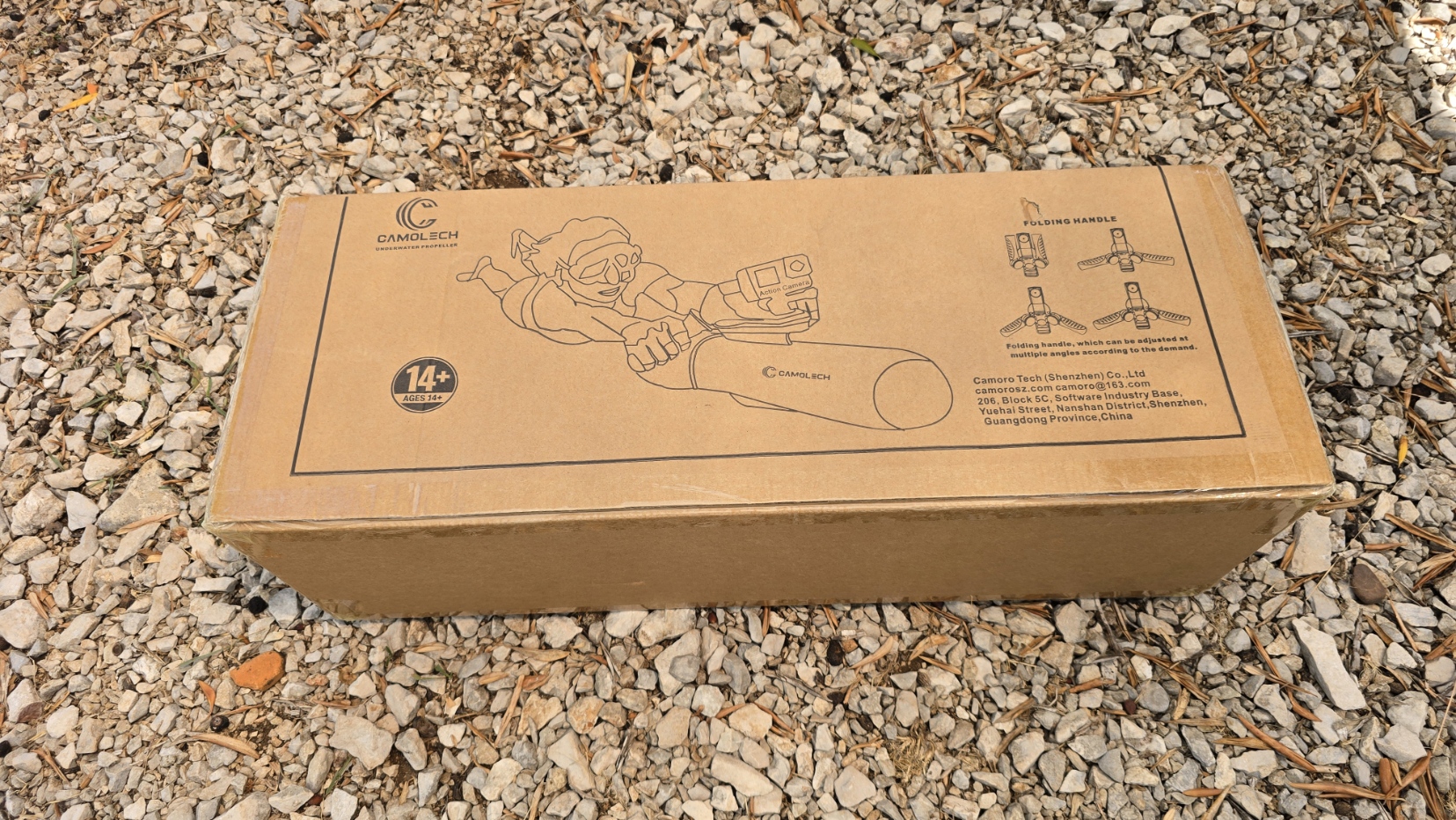
The package from Germany arrived in Viganj, Croatia, within a week, surprisingly fast. Inside, the motor was securely packed and undamaged. The box contained what you’d expect for a diving scooter: handles, separate chargers for both motor and remote, a waterproof case, plus both a neck lanyard and wrist strap for the remote. The motor itself, with its integrated battery, felt compact and solid in hand—promisingly robust.
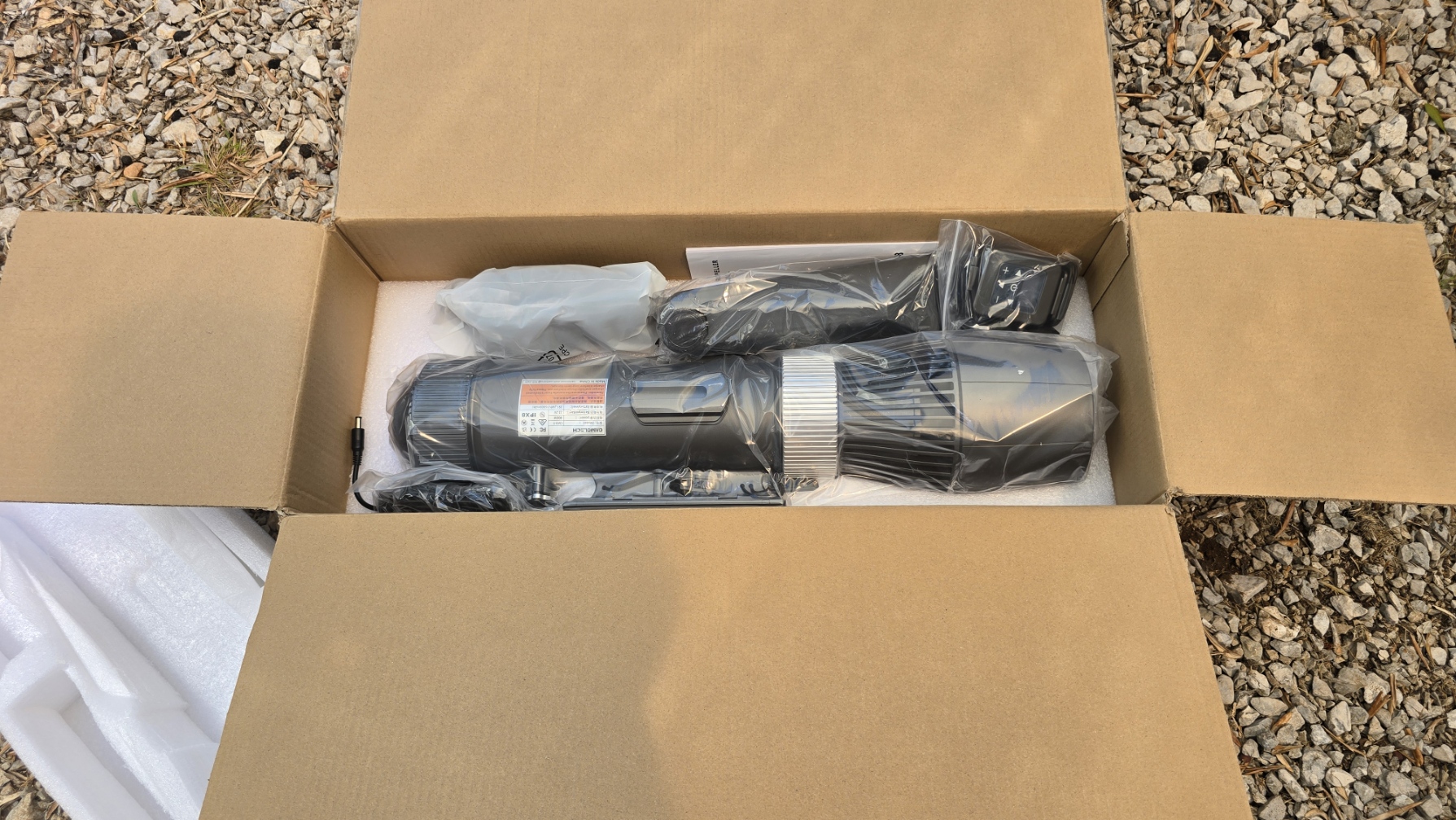
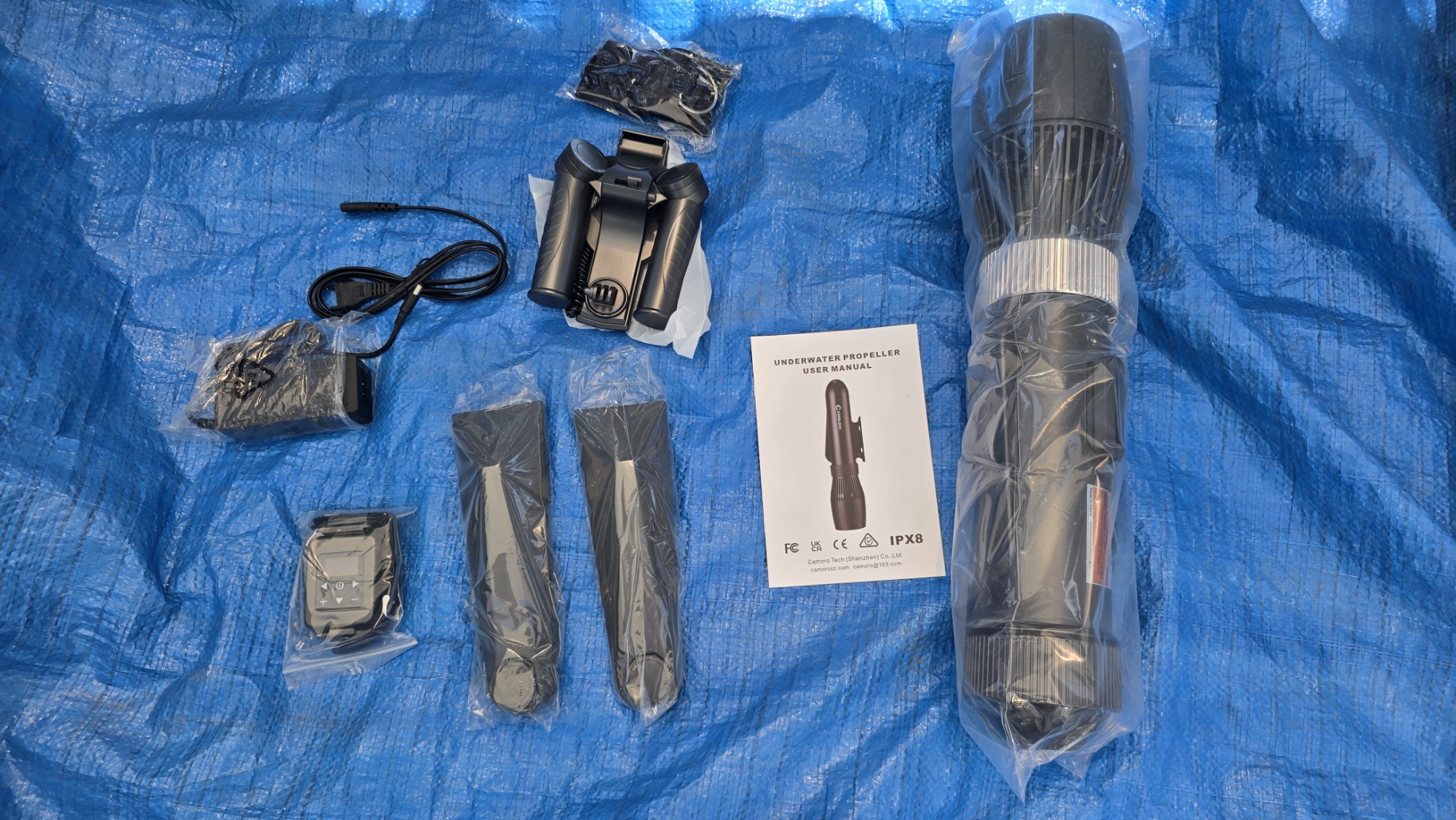
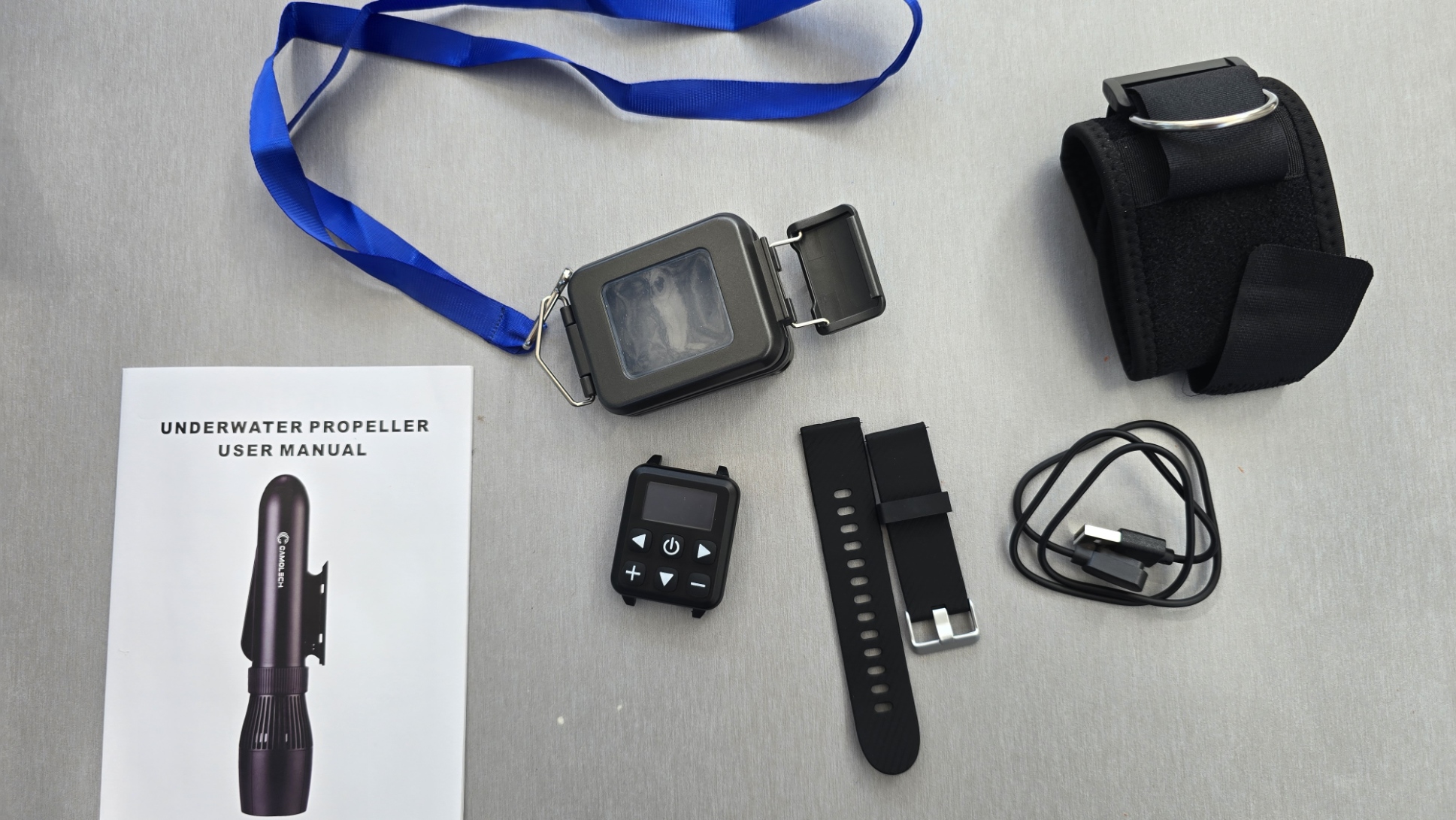
The first hitch came right out of the box. I’d emailed the manufacturer photos of my board’s USbox fin mount, hoping for confirmation, but heard nothing back. So I turned to an AI assistant, which confidently assured me the motor would fit. It did not. The mounting system was entirely different—I needed a specific adapter, one that proved almost impossible to find. It took a full month of searching before the part finally arrived. At last, I could take my new toy out on the water.
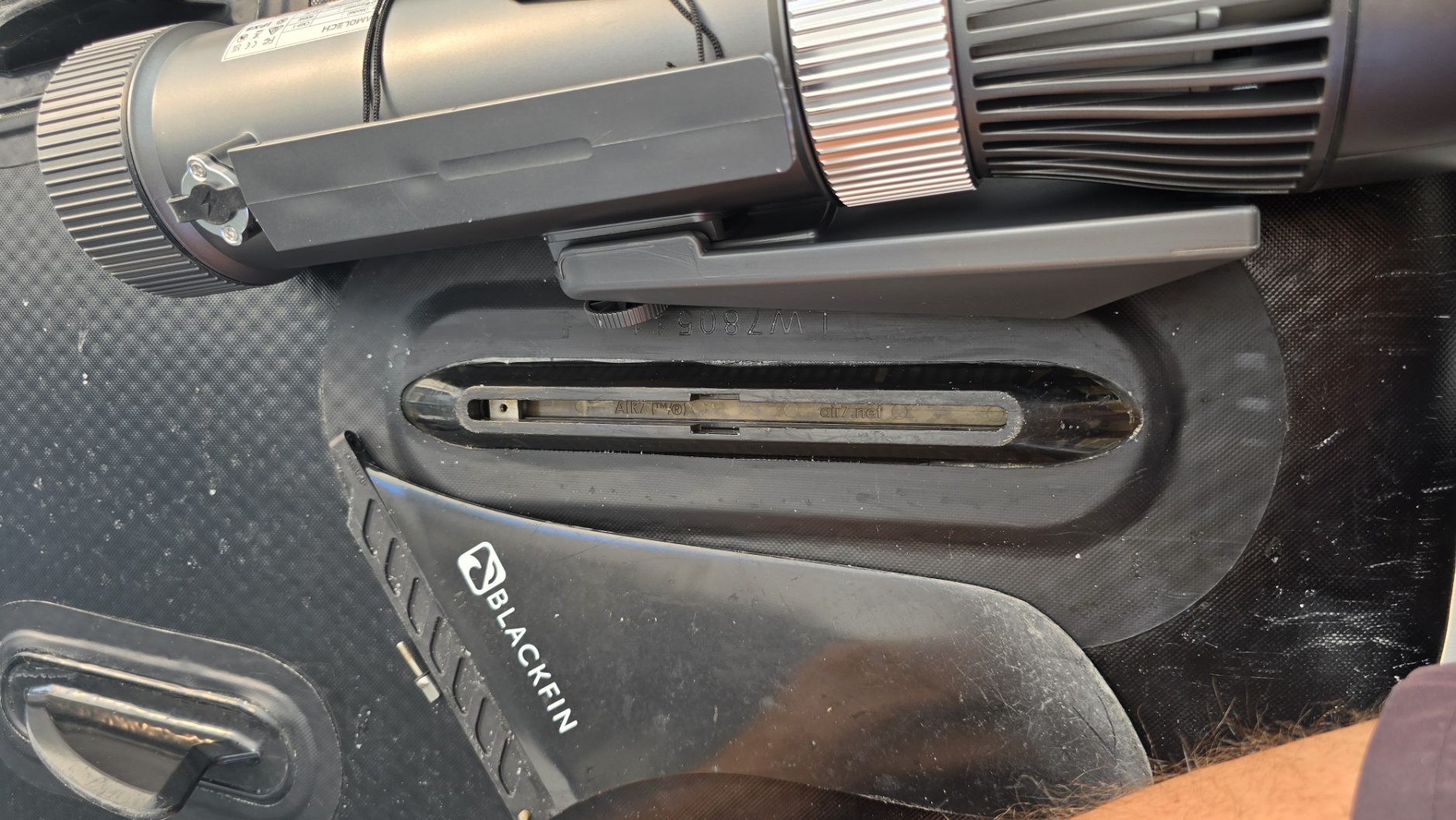
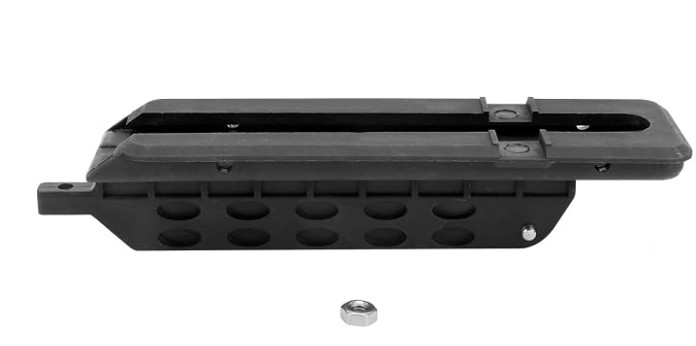
A quick but important note on compatibility: not every board is built to handle the conversion. The fin box, designed to hold a passive fin for stability, suddenly becomes the thrust point for a 900W motor. On a cheaper, less rigid board, that force could easily crack the deck or delaminate the core, particularly under a heavier rider at full power. It’s worth checking with your board’s manufacturer first. My own BlackFin model is overbuilt for this kind of stress—reinforced with Kevlar along the rails and noticeably stout. The trade-off is an extra kilo or two of weight, but it’s a trade I’ll take for the peace of mind.
The First Ride
The first ride was a lesson in frustration, though the motor itself was fine. The issue was entirely with the remote’s flaky connection. Standing on the board, pressing the button: nothing. I had to physically turn and lean toward the tail, bringing the remote almost directly over the motor housing just to get a response. This became a recurring theme—I’d start moving, settle into a rhythm, and then the motor would cut out mid-paddle as the signal dropped. My half-solution was to carry the remote on my back, but even then, interruptions were frequent. It’s incredibly annoying to lose power unexpectedly, forcing you to sit down just to reactivate it—and sometimes even that didn’t work. Sitting in the kayak configuration proved far more reliable, since your body is closer to the motor and the remote stays put.
The remote frustration was still fresh when the next issue surfaced. Less than thirty minutes into the ride, the screen on the remote flashed an unfamiliar alert: “Over temperat.”. The motor cut out entirely. I could only guess that it had overheated, triggering some kind of safety shut-off.
That first ride ended right there. I stood on the board, the motor dead and silent in the water, and felt a cold wash of buyer’s remorse. It was clearly a lemon. Later outings softened that initial verdict a little.
The Verdict Began to Shift
For a full day, the motor was completely unresponsive. The remote’s screen stubbornly insisted on “Over temperat.”, though the housing felt cool to the touch. I left it alone, guessing some internal lockout timer had been triggered. The hunch paid off: after 24 hours and a full recharge, it finally hummed back to life.
Subsequent outings went far more smoothly. The phantom overheating error never returned. The remote’s signal, however, remained stubbornly weak—consistent contact required staying unnervingly close to the motor itself. Carrying the remote on my back helped, though I still plan to test it without the bulky waterproof case, strapped directly to my wrist like a watch.
The battery life holds up to its claims, delivering a solid 60 minutes of runtime at 30-50% power. I haven’t pushed it to full throttle yet—the remote’s flakiness makes me hesitant—but given how it’s performed so far, I don’t anticipate any issues when I do.
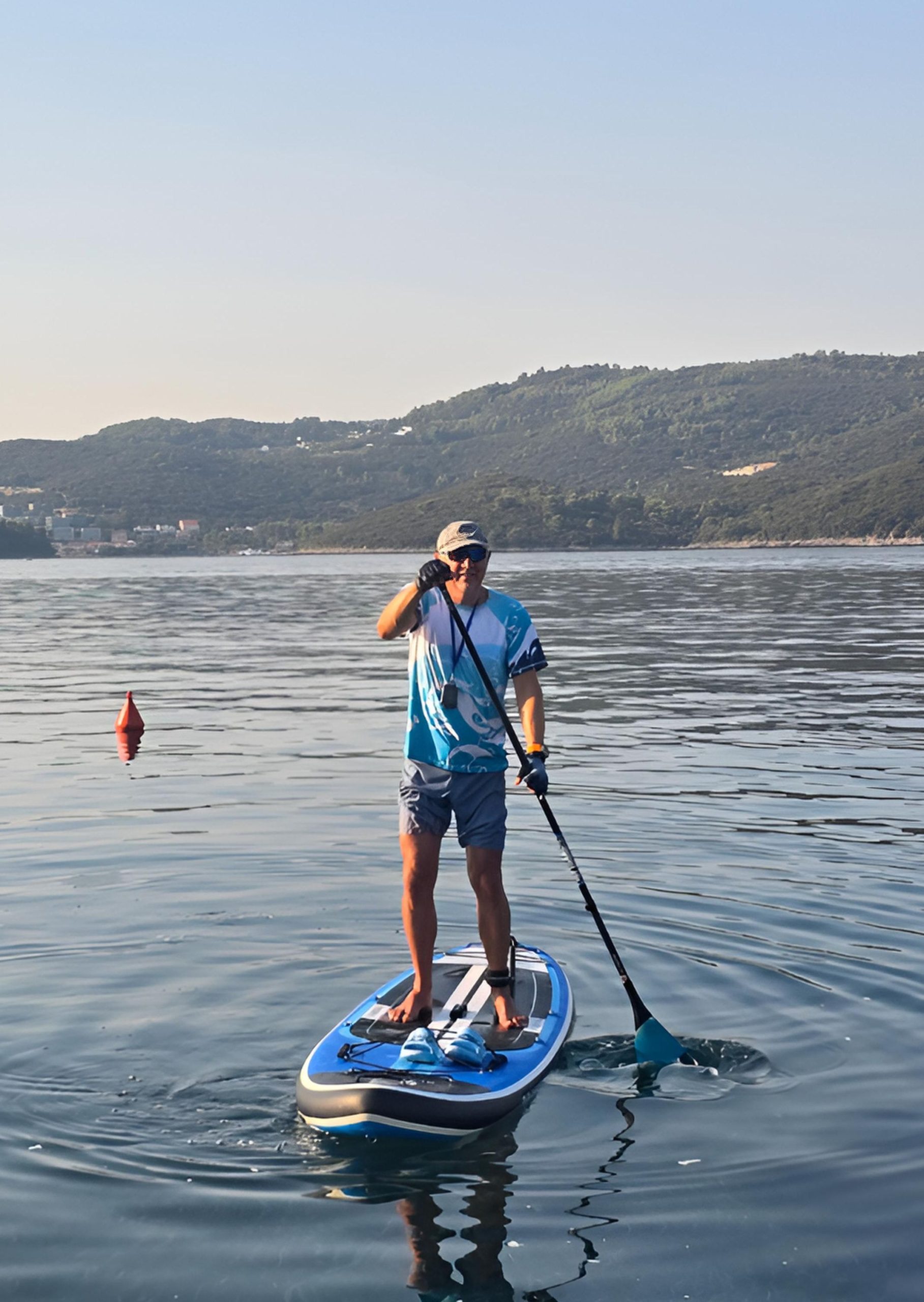
Running the motor at 30-50% power with light paddling, I topped out at 9.2 km/h, with a comfortable cruising average of 6-7 km/h. For context, an unassisted SUP typically sits around 4-5 km/h.
The persistent forward tug of the motor complicates a standard turn; you can’t just sweep the paddle out wide for a sharp pivot. Your focus narrows to the path ahead, scanning for any anchored boats or bobbing swimmers that now require much earlier anticipation to avoid.
There’s something quietly satisfying about lifting your paddle and feeling the board carry on without you. When the motor cuts out, that effortless glide disappears with it—you notice the absence more than you’d expect. The kayak configuration remains the clear highlight: sitting low on the board changes the whole experience. We even lashed two SUPs together into a makeshift raft and sent it moving at 3-4 km/h without complaint. Hard not to enjoy.
So, do you need an e-SUP? No. But after that first moment of lifting your paddle mid-stroke and feeling the board carry on without you—you’ll stop asking whether you need one and start having fun.
About the Author: Adrian